Media Production
An insight into the module
As part of the Social Media Marketing & Management programme in the 2nd semester, students develop a comprehensive understanding of professional filmmaking and gain hands-on experience with production, camera, lighting, sound, directing, and editing. The course teaches the fundamentals of media production and integrates theoretical foundations with the creative realisation of students’ own video projects.
Media production is a core competency in the social media field. Video content shapes how audiences discover information, form impressions, and build emotional connections with brands. Understanding video production standards enables students to create more compelling content and equips them with a competitive advantage in their future professional roles. For this reason, the course places a strong emphasis on practical experience with industry-standard equipment, narrative techniques, and real-world production workflows.
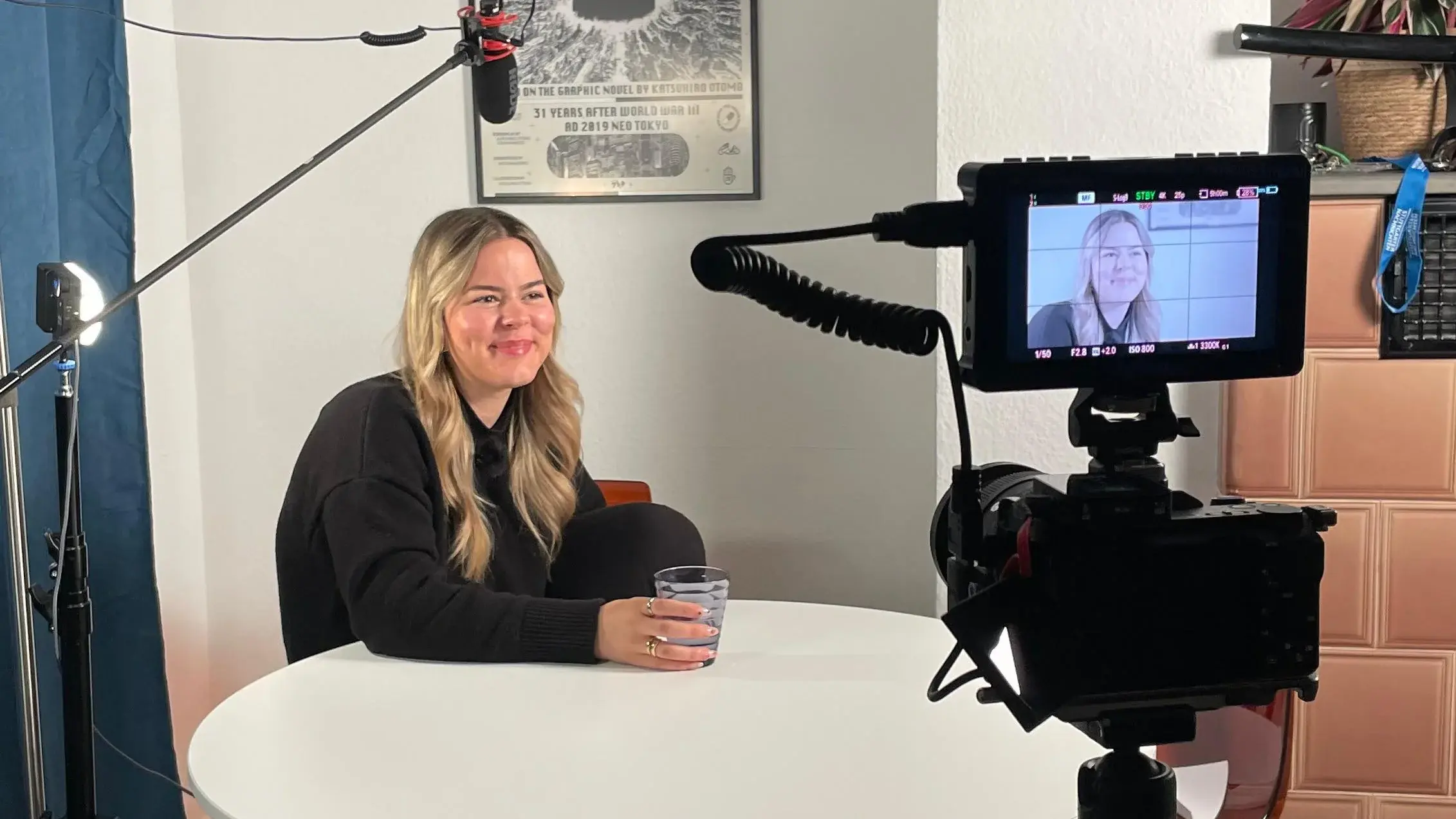
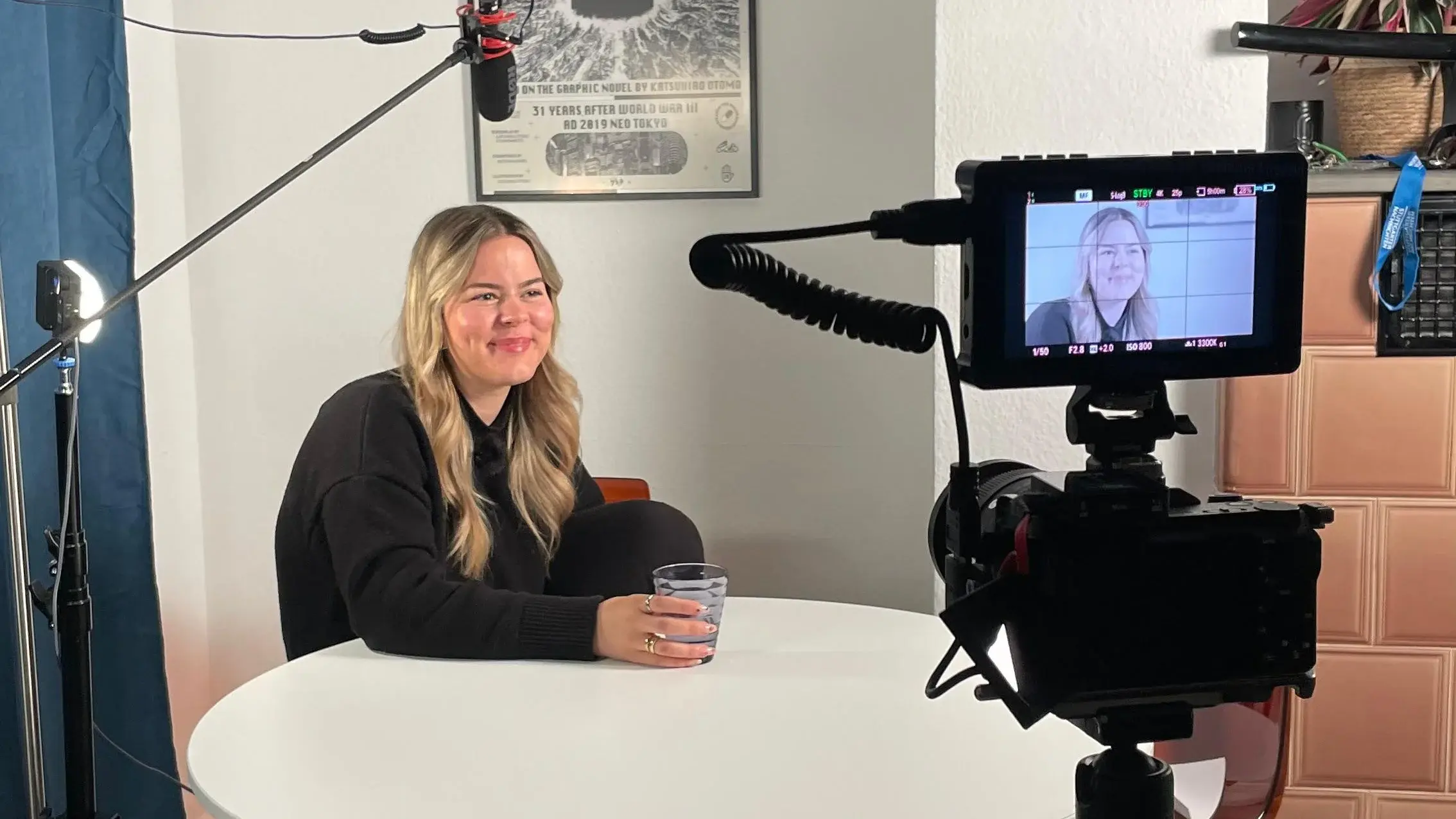
Building the foundations: learning the tools of cinematic storytelling
At the beginning of the module, students are introduced to the technical and aesthetic principles of filmmaking. They explore how individual production elements contribute to meaning, mood, and emotional impact. These foundations provide students with the technical proficiency and conceptual framework required for the production phase. Key learning areas include:
- Camera work: settings, technical basics, framing, movement, exposure, and perspective
- Sound recording: types of microphones, recording audio, and understanding sound design
- Lighting: setting up lights and lighting concepts
- Editing fundamentals: pacing, narrative structure, image-sound synchronisation, colour correction, basic mixing, and exporting
From theory to practice
With these foundations in place, students form small production teams of up to seven members and enter an intensive project phase. The first project is a social media portrait for practising interviews; the second is a cinematic production, such as a short film or a commercial. Each team member selects one expert role and retains it throughout the semester:
- Director
- Producer
- Camera operator
- Lighting operator / gaffer
- Audio operator / boom operator
- Editor
- Assistant
This role-based structure strengthens accountability, professional ownership, and skill development. It also creates a realistic production environment in which each specialist contributes their expertise across the entire workflow.
Crafting stories: planning, shooting, and editing
The filmmaking process requires structured collaboration, creative decision-making, and continuous problem-solving. Students learn to:
- Pre-production: planning, developing precise shot lists, storyboards, scripts, and production schedules
- Production coordination: managing equipment (camera, audio, lighting, grip, gimbals, etc.)
- Always having a plan B, e.g. adapting to changing weather conditions and technical constraints
- Supervising actors and actresses
- Postproduction: editing and exporting the final videos
As their technical skills improve, students work more consciously with video elements. Camera movements are planned more carefully, lighting is adjusted to create clearer and more consistent images, and sound is recorded and edited with greater attention to quality. In post-production, they experiment with pacing, transitions, audio levels, and colour correction, learning how even small changes affect the overall mood and comprehension of a film.
Final results: two films and measurable creative growth
At the end of the semester, each group presents two completed films:
1. A social media portrait: intimate, platform-optimised, yet cinematic in quality
2. A longer cinematic short film: demonstrating atmospheric visual storytelling and cohesive editing
Both formats reflect clear progress in technical execution, narrative clarity, and creative decision-making. The projects showcase each team’s emerging visual style as well as their ability to collaborate effectively within defined professional roles.
Media production remains a central component of the SMM programme. As students grow more confident in handling equipment and assuming creative responsibility, they are increasingly well prepared to produce high-quality content, develop campaigns, and operate within professional media environments.